How to choose the right ceiling fan for your home
Choosing the right ceiling fan can enhance comfort and efficiency in your Naples home. Here's how to make the best choice.
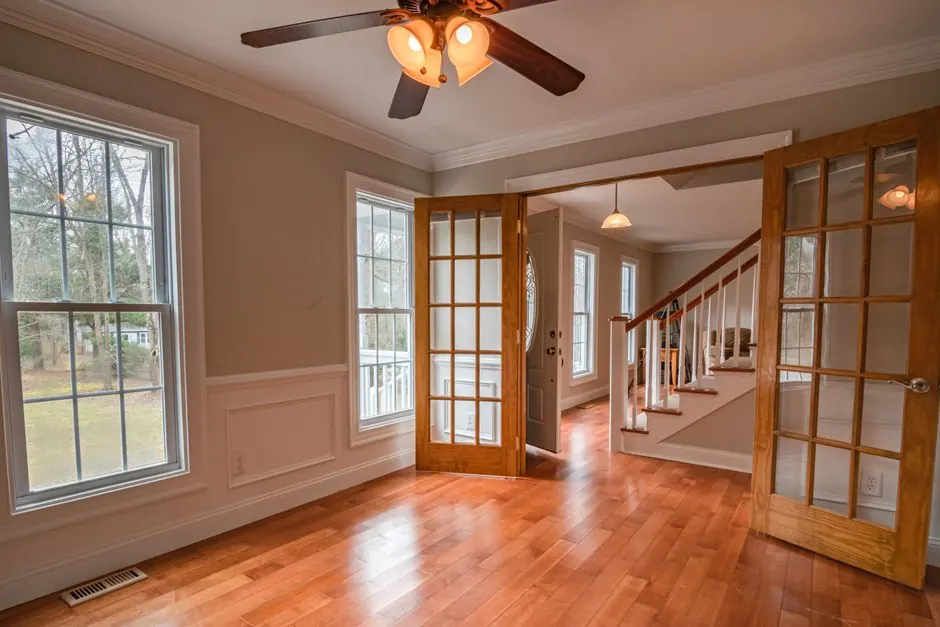
Choosing the right ceiling fan for your home involves considering style, size, and functionality. A ceiling fan is an essential fixture that provides comfort and energy efficiency, especially in the warm climate of Naples.
This article will guide you through the factors to consider, types of ceiling fans available, installation tips, common mistakes to avoid, and when to call a professional.
Why choose a ceiling fan?
Ceiling fans are popular for their ability to circulate air and enhance comfort in living spaces. They can help reduce energy costs by allowing you to set your thermostat a few degrees higher in the summer and lower in the winter.
What factors to consider when choosing a ceiling fan?
Several factors influence your choice of ceiling fan, including:
- Room Size: Measure the room dimensions to select an appropriately sized fan. For rooms up to 75 square feet, a fan with a 29-36 inch blade span is ideal. For larger rooms, consider fans with 42-54 inch blades.
- Ceiling Height: The height of your ceiling affects fan installation. Fans should be installed 7-9 feet above the floor.
- Style and Design: Choose a fan that complements your home's decor. Options range from modern to traditional styles.
- Energy Efficiency: Look for Energy Star-rated fans to save on electricity bills.
What types of ceiling fans are available?
Ceiling fans come in various types, including:
- Standard Ceiling Fans: These are the most common and suitable for most rooms.
- Low-Profile Fans: Ideal for rooms with low ceilings, these fans are designed to hug the ceiling.
- Outdoor Ceiling Fans: These are built to withstand outdoor elements and are perfect for patios or porches.
- Smart Ceiling Fans: Equipped with smart technology, these fans can be controlled via smartphone apps or voice commands.
How to install a ceiling fan?
Installing a ceiling fan requires careful planning and basic electrical knowledge. Here's a brief overview of the installation process:
- Turn off the power at the circuit breaker to avoid electrical shock.
- Remove the existing light fixture if replacing one.
- Install a fan-rated electrical box to support the fan's weight.
- Connect the wiring according to the manufacturer's instructions.
- Secure the fan to the mounting bracket.
- Attach the blades and light kit if applicable.
- Restore power and test the fan.
If you are unsure about the electrical connections, consider hiring a local residential electrician in Naples.
Common mistakes to avoid
When selecting and installing a ceiling fan, avoid these common mistakes:
- Choosing the wrong size fan for the room, which can lead to inadequate airflow.
- Installing the fan too high or too low, affecting its performance.
- Neglecting to check the fan's energy efficiency rating, leading to higher electricity costs.
- Forgetting to balance the fan after installation, which can cause wobbling and noise.
When to call a professional
Hiring a professional can save you time and ensure safety during installation. Call Naples Electric Pros if you:
- Are unfamiliar with electrical systems and wiring.
- Need to install a ceiling fan in a location without existing wiring.
- Experience any issues with fan operation after installation.
Frequently Asked Questions
1. How much does it cost to install a ceiling fan?
The average cost for ceiling fan installation in Naples ranges from $150 to $300, depending on the complexity of the installation.
2. Can I install a ceiling fan myself?
Yes, if you have basic electrical knowledge and the right tools. However, hiring a professional is recommended for safety.
3. What is the best ceiling fan for energy efficiency?
Energy Star-rated ceiling fans are the best choice for energy efficiency, as they use less electricity and provide better airflow.
4. How often should I clean my ceiling fan?
Ceiling fans should be cleaned every few months to remove dust and improve performance.
5. Do ceiling fans really save energy?
Yes, ceiling fans can save energy by allowing you to set your thermostat higher in the summer and lower in the winter, reducing HVAC load.