
Why is my circuit breaker tripping frequently in Naples?
Discover the common reasons behind frequent circuit breaker tripping in Naples and how to resolve these issues effectively.
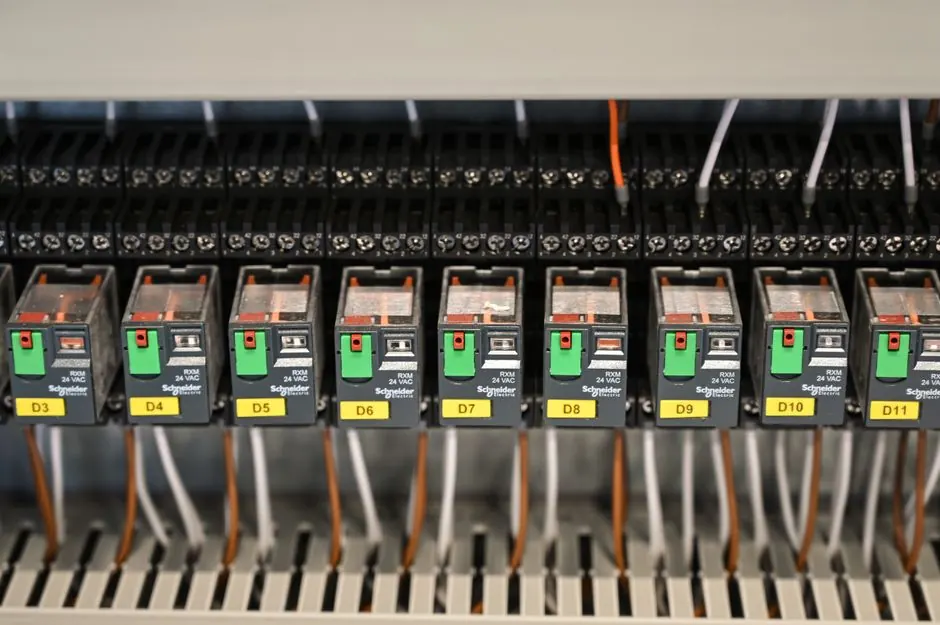
A circuit breaker tripping frequently is a common issue for homeowners in Naples. This usually indicates a problem with the electrical system that needs immediate attention. In this article, we will explore the reasons why your circuit breaker may be tripping and what steps you can take to resolve the issue.
A circuit breaker is an electrical device designed to protect your home from overloads and short circuits by interrupting the flow of electricity when necessary. Understanding how it works can help you identify the reasons behind frequent tripping.
Why does my circuit breaker keep tripping?
Your circuit breaker may keep tripping due to several reasons, including overloaded circuits, short circuits, or ground faults. Each of these issues can cause the breaker to trip, cutting off power to prevent electrical fires or damage to appliances.
Common reasons for tripping circuit breakers
Many homeowners in Naples experience circuit breaker tripping due to:
- Overloaded circuits: This occurs when too many devices are connected to a single circuit. For example, running a heater, refrigerator, and other appliances on the same circuit can exceed its capacity.
- Short circuits: A short circuit happens when a hot wire touches a neutral wire, causing an immediate surge of electricity. This can happen due to damaged wiring or faulty appliances.
- Ground faults: Ground faults occur when a hot wire touches the ground wire or any conductive surface. This is common in areas with moisture, such as bathrooms or kitchens.
- Faulty circuit breaker: Sometimes, the circuit breaker itself may be faulty, leading to frequent tripping even when there are no apparent issues with the electrical system.
- Old wiring: Homes built several decades ago may have outdated wiring that cannot handle modern electrical loads. This can lead to overheating and tripping of circuit breakers.
Understanding these common issues can help you troubleshoot the problem effectively.
What to do when your circuit breaker trips
When your circuit breaker trips, follow these steps:
- Turn off all devices: Unplug all devices connected to the circuit to prevent further overload.
- Reset the breaker: Locate your electrical panel, find the tripped breaker, and switch it back to the 'on' position.
- Plug devices back in one at a time: Reconnect your devices one at a time to identify which one may be causing the problem.
- Inspect for damage: Check for any visible signs of damage to wires or appliances.
- Call a professional: If the breaker continues to trip, it's time to contact a local electrician for a thorough inspection.
In Naples, many homeowners rely on residential electrical services Naples FL to ensure their electrical systems are functioning safely.
Common mistakes to avoid
When dealing with circuit breaker issues, avoid these common mistakes:
- Ignoring the problem: Frequent tripping is a sign of an underlying issue that should not be ignored.
- Overloading circuits: Avoid plugging too many devices into a single outlet or circuit.
- DIY repairs: Attempting to fix electrical issues without proper knowledge can lead to dangerous situations. Always consult a professional.
- Neglecting regular inspections: Schedule regular electrical safety inspections to catch potential issues early.
When to call a professional
If your circuit breaker continues to trip after taking these steps, it's essential to call a professional. A licensed electrician can diagnose the problem accurately and provide solutions tailored to your home's needs. Naples Electric Pros offers comprehensive electrical repairs Naples FL to ensure your home remains safe and functional.
Frequently Asked Questions
1. How do I know if my circuit breaker is faulty? If your circuit breaker trips frequently without obvious cause, it may be faulty. A professional can test it for you.
2. What should I do if my circuit breaker won't reset? If your circuit breaker won't reset, it may indicate a serious electrical issue. Contact a licensed electrician immediately.
3. Can I replace a circuit breaker myself? While it's possible to replace a circuit breaker yourself, it's not recommended unless you have electrical experience. Safety is paramount.
4. How often should I have my electrical system inspected? It's advisable to have your electrical system inspected at least once every three to five years, or more frequently if you notice issues.
5. What are the signs of an overloaded circuit? Signs include frequent tripping of the breaker, buzzing sounds, or warm outlets. These indicate a need for professional assessment.